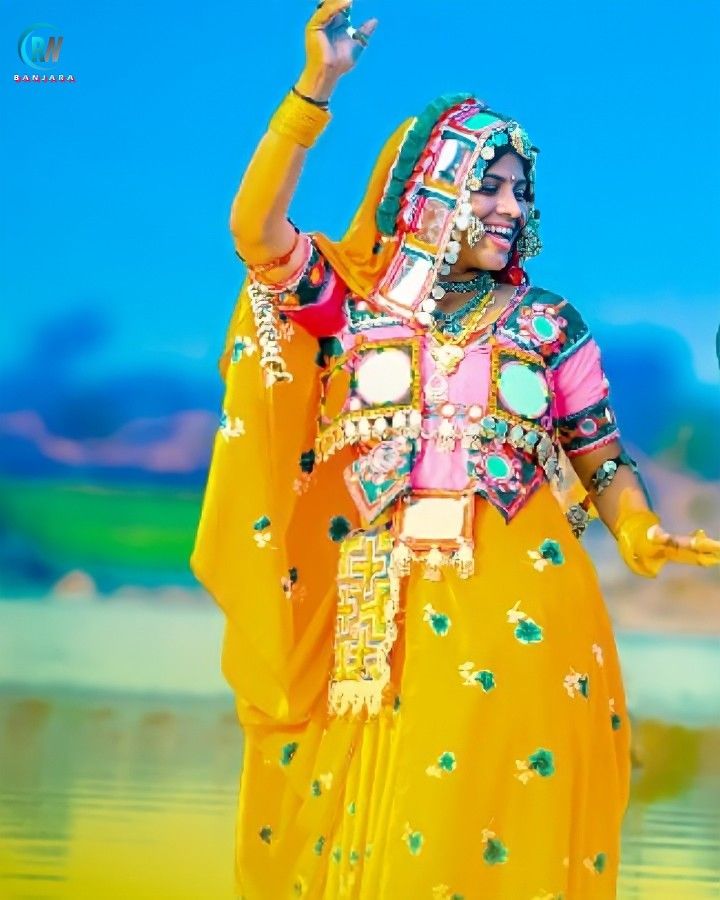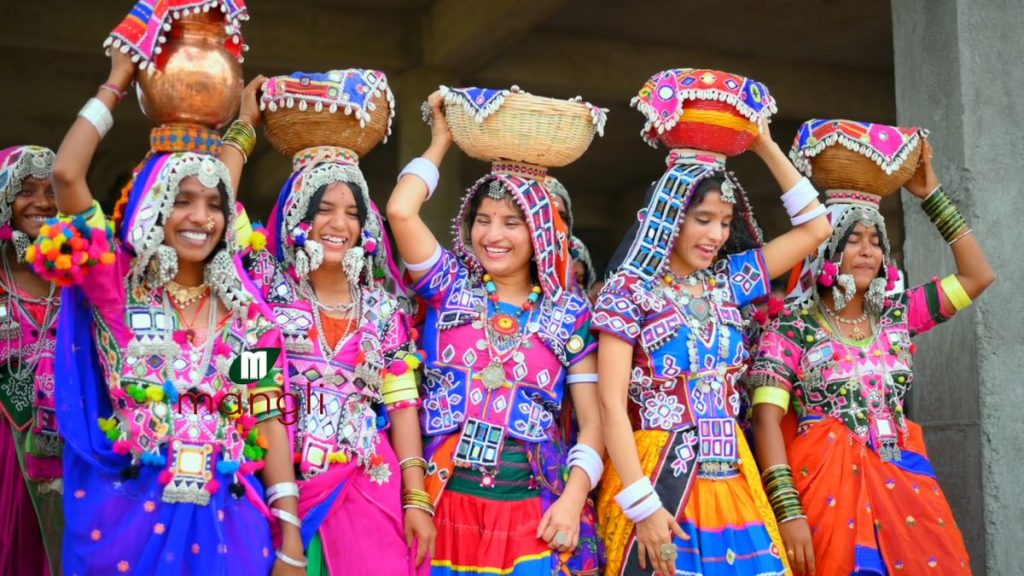
The Banjara community is one of the ancient and well-known tribal communities in India. They are also called Lambadis, Lambanis, and Gora Banjaras. Their lifestyle, culture, and traditions are filled with uniqueness.The Banjara Community – Origin, Culture, Lifestyle, and Traditions (Detailed English Content) The Banjara community is one of the most ancient, vibrant, and culturally rich tribal groups of India. They are popularly known by several names such as Lambadis, Lambanis, and Gor Banjaras, depending on the region they live in. Their lifestyle, customs, and traditions are unique and reflect centuries of history, migration, and adaptation.
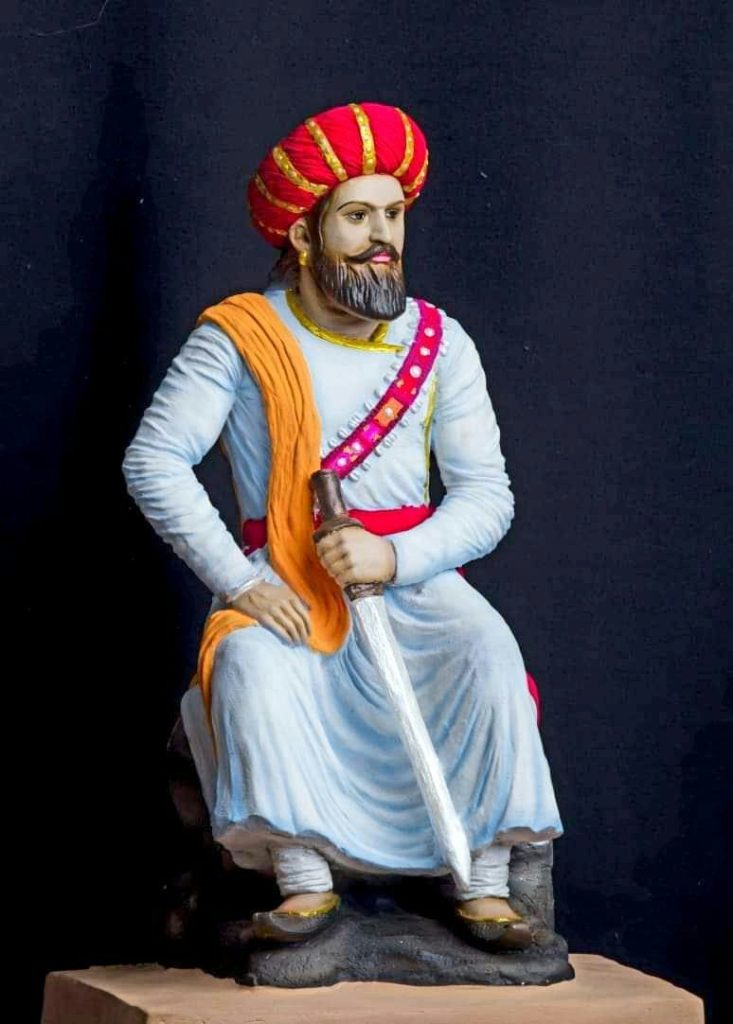
Sevalal Maharaj – Spiritual Leader and Reformer of the Banjara Community Sevalal Maharaj is regarded as the spiritual leader, cultural protector, and guiding force of the Banjara community. He is remembered as a great reformer who illuminated the lives of Banjara tribes and uplifted their socio-cultural identity. His influence on Banjara cultural history, lifestyle, traditions, and practices is immense and unforgettable. Birth of Sevalal Maharaj Sevalal Maharaj was born in the year 1739 near Shegav in the present-day state of Karnataka. From his childhood, he displayed extraordinary wisdom, courage, and leadership qualities. His deep understanding of spirituality and his dedication towards protecting the rights and dignity of the Banjara people made him a revered figure.
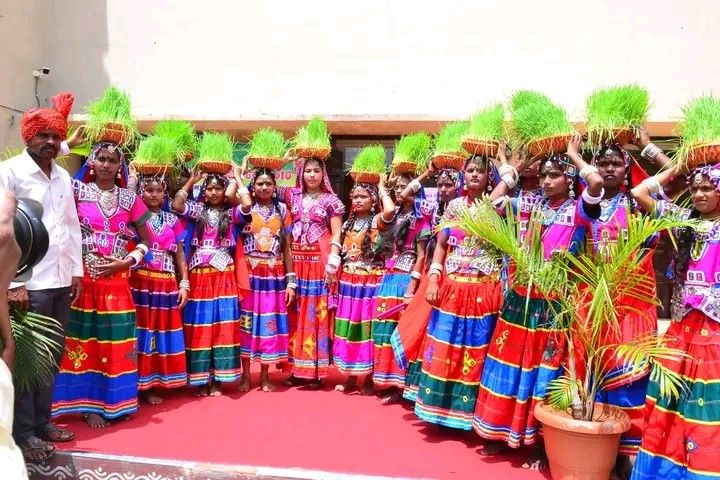
Banjara Teej Festival – Traditions, Rituals & Cultural Grandeur Introduction The Banjara Teej Festival is one of the most significant and sacred celebrations in the Banjara (Lambadi) community. This festival reflects spirituality, devotion, cultural richness, and joy. Married women observe a fast for the long life and well-being of their husbands, while unmarried girls celebrate Teej praying for a good and suitable groom. Banjara Teej Festival (Banjara Teej Festival): Kondapur Village – Sibbitanda, Siddipet The Teej festival holds a special place in the hearts of the Banjara people. It showcases their vibrant traditions, colorful attire, folk rituals, and deep cultural values passed down through generations.
BANJARA JOURNEY
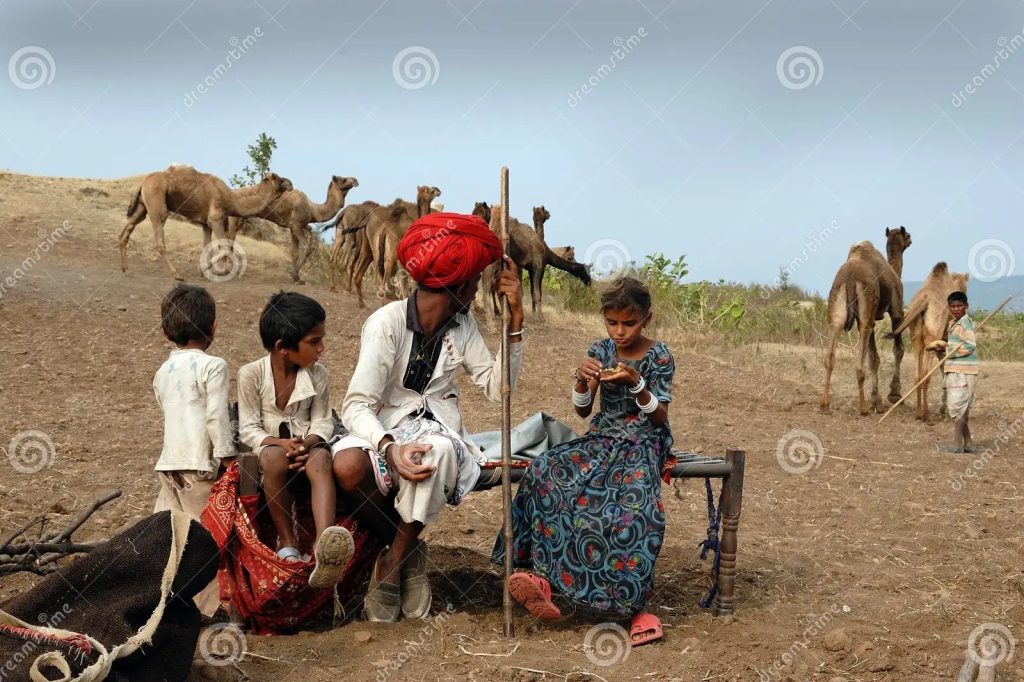
Banjara Journey” – A Symbol of History, Culture & Identity The “Banjara Journey” is a powerful representation of the history, culture, and lifestyle of the Banjara community. It reflects the long-distance travels of their ancestors, their movement along ancient trade routes, the transformations in their way of life, and the challenges they face in modern society. This journey is not just the story of geographical movement—it is the living testimony of the pride, unity, art, traditions, and rich cultural heritage of the Banjaras. Their journey symbolizes their courage, resilience, and their ability to adapt while preserving their identity.
HISTORY OF BANJARAS
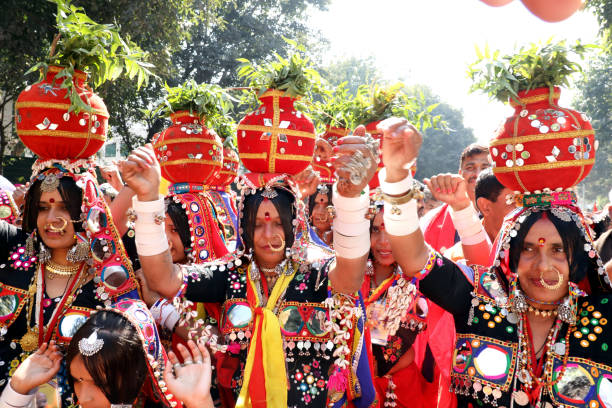
The Banjara community is one of the largest and most vibrant tribal groups in India. Known for their colorful attire, rich folklore, nomadic past, and unique artistic traditions, the Banjaras have played a significant role in India’s cultural and economic history. They are also known by various regional names such as Lambadi, Lambani, Gor Banjara, Sugali, Vanjari, Lamani, and Laman.
Traditionally, Banjaras were nomadic traders and transporters, traveling thousands of kilometers across forests, deserts, and mountains. Their lifestyle, customs, and language (Gor Boli or Banjari) reflect centuries of migration and cultural integration.
Origin of the Banjaras
The exact origin of the Banjaras is debated, but historians propose multiple theories:
Rajput Ancestry Theory
Many scholars believe the Banjaras originated from the Rajput clans of Rajasthan. When early Rajput kingdoms were attacked by invaders, some groups migrated and gradually evolved into nomadic tribes, adopting trade and transportation as their professsion
Traditional Occupation
For centuries, the Banjaras were known as the transporters of ancient India, long before modern roads and vehicles existe
-
Using bullock caravans (el
-
Supplying essential commodities to kingdoms and armies
-
Guiding traders through forests, deserts, and mountain routes
-
Practicing barter trade in remote villages
A single Tanda (caravan group) often consisted of:
-
Hundreds of bullocks
-
Multiple families
-
Skilled navigators, traders, cook groups, and artisans
Their expertise made them vital to the economic system of pre-colonial Ind
The history of the Banjara community is a rich and inspiring saga of movement, trade, courage, and culture. From ancient nomadic traders to modern citizens of India, the Banjara journey reflects resilience, adaptability, and an unbreakable spirit.
Their vibrant culture, traditional attire, bold artistry, and strong community values make them one of India’s most fascinating and culturally significant tribes. As they continue to preserve their identity in a rapidly changing world, the legacy of the Banjaras remains a shining chapter in India’s diverse cultural tapestry.